Research · Performance · Installation · 2015–2026
PosturePortraitsProject
From the 1920s to the 1960s, American colleges photographed their students, often nude, to grade their posture. Since 2015, we have studied that history and remade the portraits on participants’ own terms.
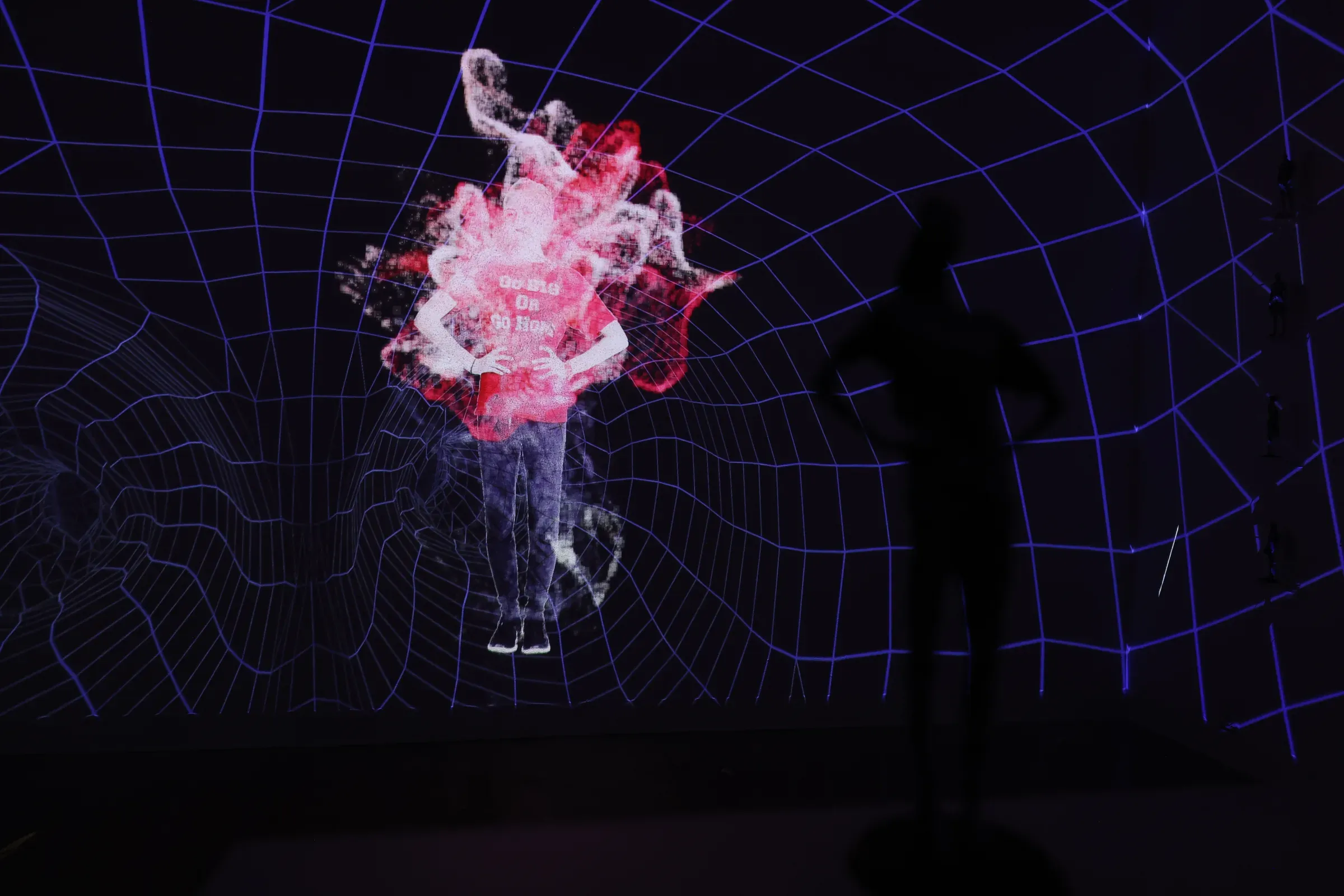
The Reminiscence — The Monologues of Being Seen, 2022 · Photo: Sangyoon Lee
§ 01
About the project
Archives consulted: Smithsonian Institution; Connecticut, Vassar, Barnard, Radcliffe, and Wellesley Colleges.
Baldwin, Henderson, & Lee (2020), (Re)creating the posture portraits (opens in a new tab), Body Studies Journal, 2(1).
The Posture Portraits Project is a ten-year collaboration between a scholar of gender and ethnic studies, a choreographer, and a computer scientist and media artist. It examines how U.S. colleges used posture photography to measure students’ bodies, and how that practice linked posture to intelligence, beauty, and what counted as “normal.”
Through archival research at the Smithsonian Institution and at Connecticut, Vassar, Barnard, Radcliffe, and Wellesley Colleges, and interviews with women photographed as students, we trace the practice’s ties to the U.S. eugenics movement. We then answer that history with art: participatory photography, 3D-printed sculpture, interactive installation, and dance.
Our artwork series, The Reminiscence, has been shown at Connecticut College, Virginia Tech’s Moss Arts Center, the ACM SIGGRAPH Art Gallery, and the Pennsylvania College of Art & Design.
The question each monologue answers
When did you first feel seen?
§ 02
Consent at the center
This site does not reproduce historical posture photographs.
The original posture portraits were taken without meaningful consent. Ours reverse that.
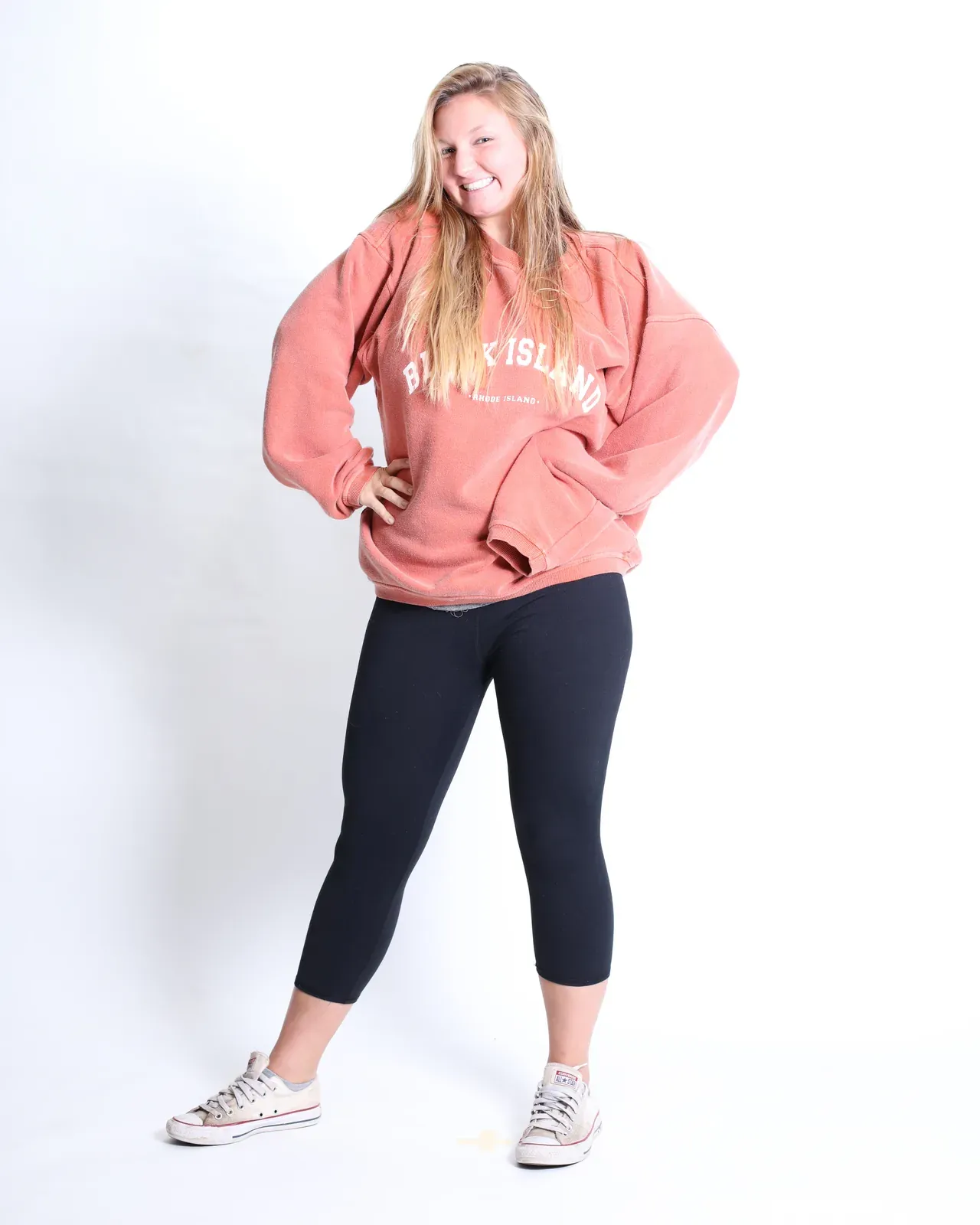
Participants sign a consent form, stand however they choose, see every photo we take, and decide which ones we use.
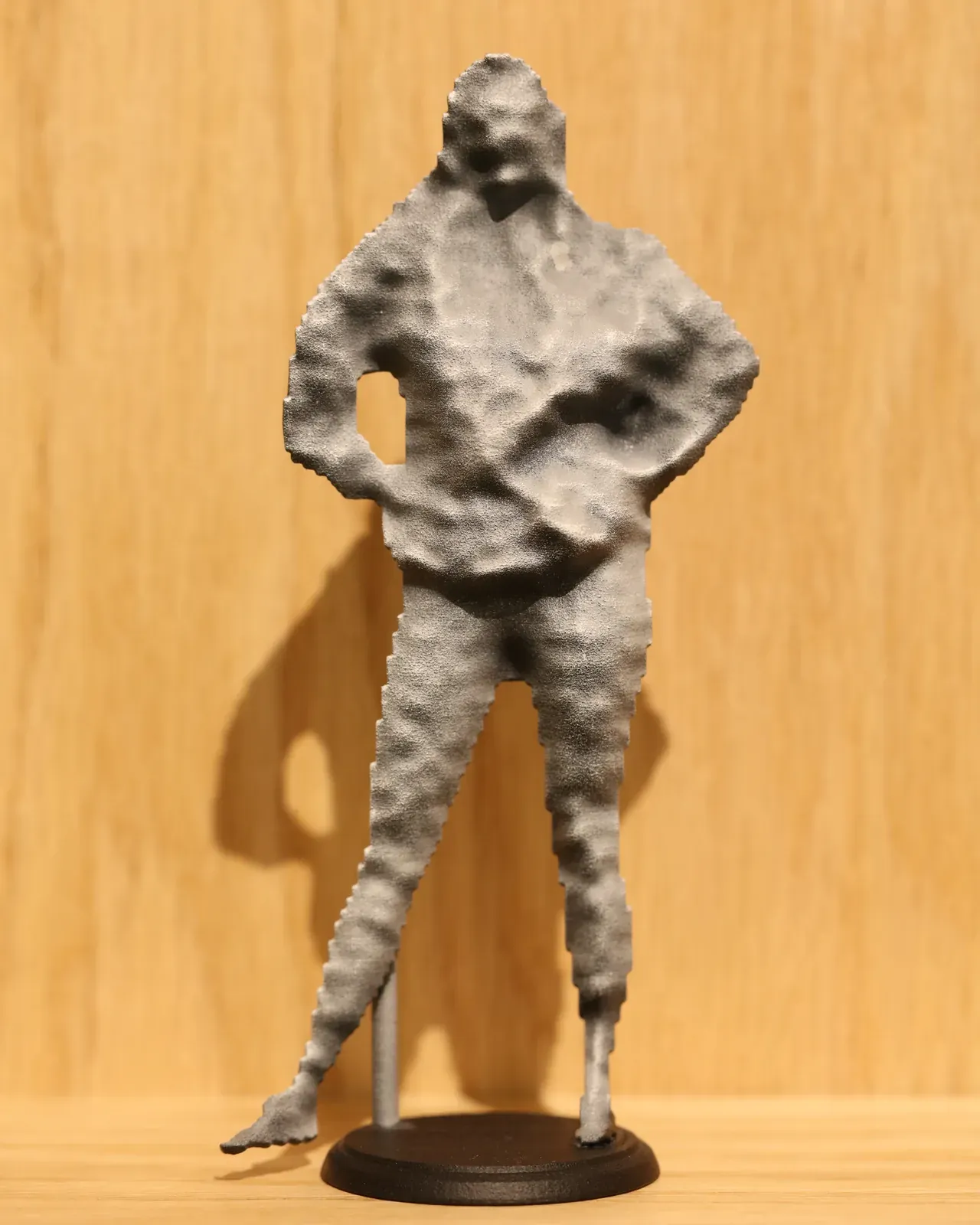
We also record each participant in 3D and print a sculpture at one-tenth scale.
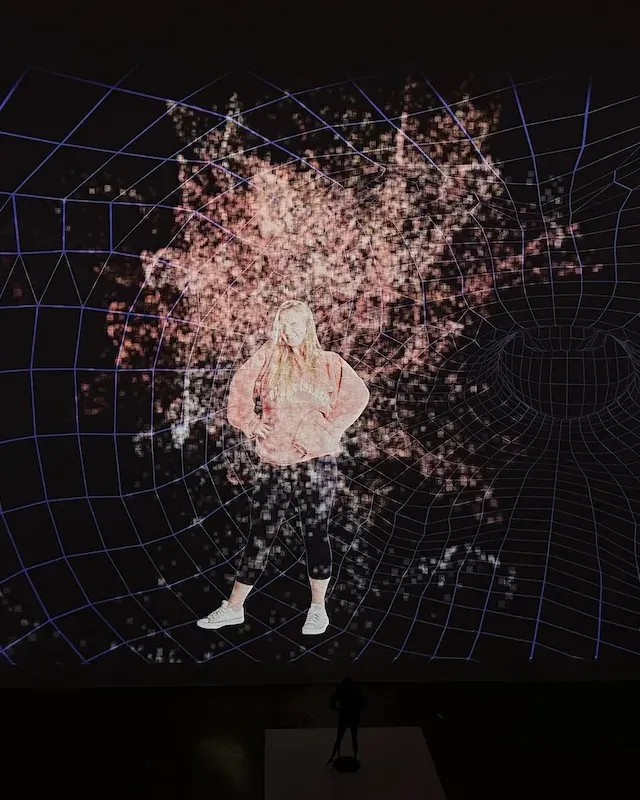
In the installation, placing a sculpture on the pedestal plays that person’s experience and, since 2021, their own monologue answering one question: when did you first feel seen?
Dance is part of the work. At the 2018 opening, Heidi Henderson moved through the crowd and took on the postures of the people around her, one after another.
§ 03
Ten years
Since fall 2015: research, exhibition, and publication.
- , research: The Posture Portraits Project begins (fall). Connecticut College
- , research: Archival research; findings presented at alumni reunion (June). Smithsonian Institution; Connecticut, Vassar, Barnard, Radcliffe, and Wellesley Colleges
- , research: Posture portraits recreated with 50 participants (spring); interviews with seven women photographed as students (fall). Connecticut College
- , exhibition: The Reminiscence — A Story at Connecticut College, with dance performance. White Box Gallery and Gallery 66, Connecticut College
- , publication: Article in Body Studies Journal
- , exhibition: The Reminiscence — participatory performance and installation. The CUBE, Moss Arts Center, Virginia Tech
- , exhibition: The Reminiscence — The Monologues of Being Seen. White Box Gallery, Connecticut College
- , exhibition: Juried into the ACM SIGGRAPH Art Gallery. Los Angeles Convention Center
- , exhibition: Community workshops (spring); three-floor exhibition, October–December. Pennsylvania College of Art & Design, Lancaster, PA
- , presentation: Panel, “Monologues of Being Seen: Process and Impact,” at the Association of Academic Museums and Galleries (AAMG) Annual Conference (June 24), with Natasha Warshawsky of PCA&D. University of New Mexico, Albuquerque, NM
- , publication: Book: Visual Regimes of Discipline in U.S. Higher Education. Palgrave Macmillan
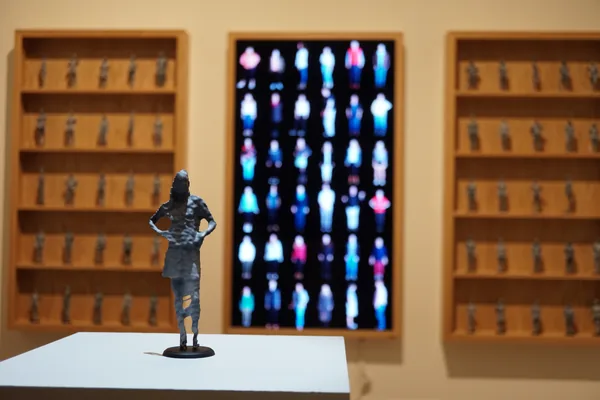
2018
The Reminiscence — A Story at Connecticut College, with dance performance
White Box Gallery and Gallery 66, Connecticut College
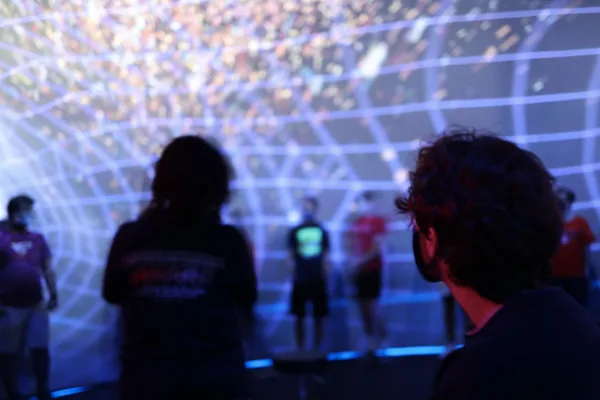
2021
The Reminiscence — participatory performance and installation
The CUBE, Moss Arts Center, Virginia Tech
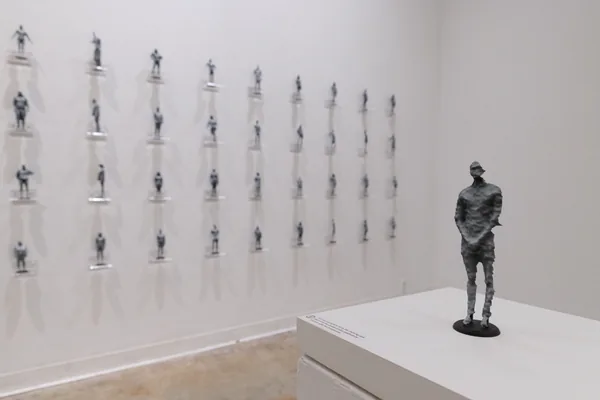
2022
The Reminiscence — The Monologues of Being Seen
White Box Gallery, Connecticut College
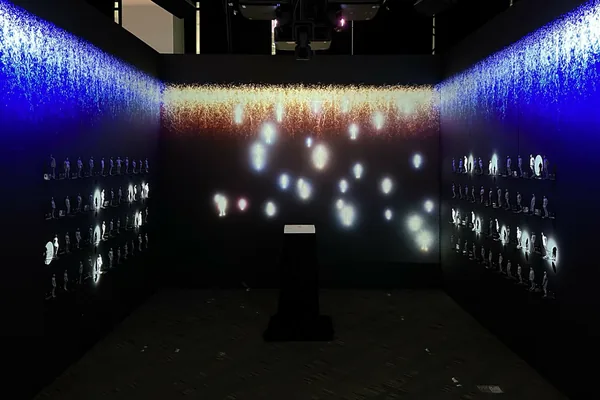
2023
Juried into the ACM SIGGRAPH Art Gallery
Los Angeles Convention Center
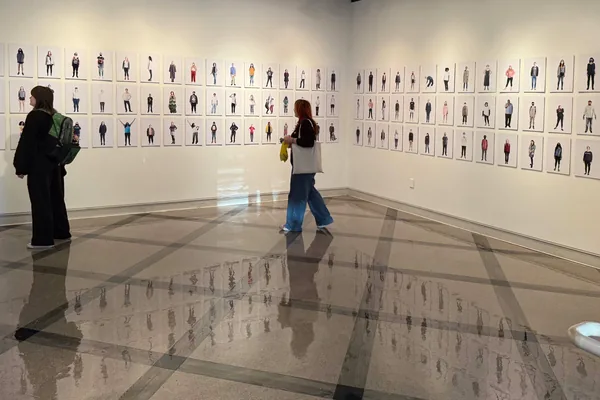
2024
The Reminiscence — The Monologues of Being Seen
Pennsylvania College of Art & Design, Lancaster, PA
§ 04
Team

Andrea N. Baldwin
Gender Studies and Ethnic Studies, University of Utah
Andrea N. Baldwin is Associate Professor of Gender Studies and Ethnic Studies at the University of Utah. Her scholarship centers the experiences of Black women globally, with a focus on Black feminist decoloniality, care, and Anglophone Caribbean women’s migration. She is the author of A Decolonial Black Feminist Theory of Reading and Shade: Feeling the University (Routledge, 2021) and co-editor of Standpoints: Black Feminist Knowledges (Virginia Tech Publishing, 2019).
ORCID record for Andrea N. Baldwin: https://orcid.org/0000-0001-9178-8224 (opens in a new tab)
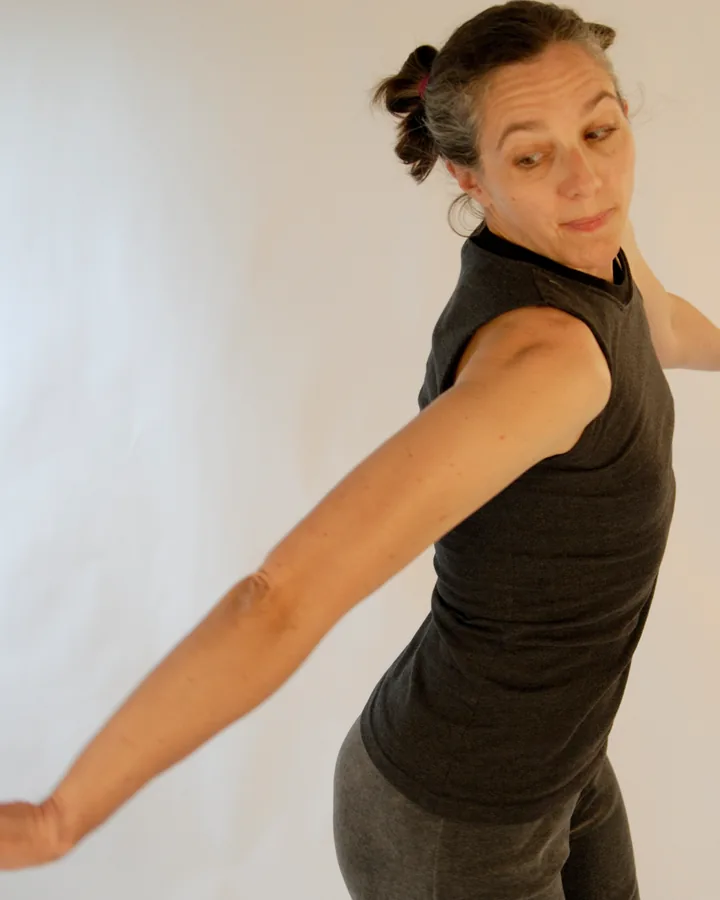
Heidi Henderson
Dance, Connecticut College
Heidi Henderson is a choreographer and Professor of Dance at Connecticut College. She directs elephant JANE dance, based in Rhode Island, and is a five-time recipient of the Rhode Island State Council on the Arts Choreography Fellowship. The company has performed at the South Bank Centre in London, in New York City, at the Jacob’s Pillow Inside/Out Festival, and at the International Festival of Dance in Taegu, Korea.
ORCID record for Heidi Henderson: https://orcid.org/0009-0006-4546-1670 (opens in a new tab)

Sangyoon Lee
Computer Science, Connecticut College
Sangyoon Lee is a computer scientist and media artist and Professor of Computer Science at Connecticut College. His work spans computer graphics, visualization, games, physical computing, and virtual reality; his recent research develops virtual humans that capture a real person’s figure, personality, and mannerisms. He holds a BS and MS in Architecture from Yonsei University, an MFA from the School of Art and Design at the University of Illinois Chicago, and a PhD from the Electronic Visualization Laboratory at UIC.
ORCID record for Sangyoon Lee: https://orcid.org/0000-0002-0749-7641 (opens in a new tab)
Student researchers: Laura Pratt (Auburn University ’17), Emily Green ’18, Rishma Mendhekar ’18, Isaiah Porter ’18, Joseph Castro ’19, Tyler Silbey ’22, Lien Har ’23, Muhammad Bazeed Shahzad ’24, Vanny Phai ’25.
§ 05
Publications
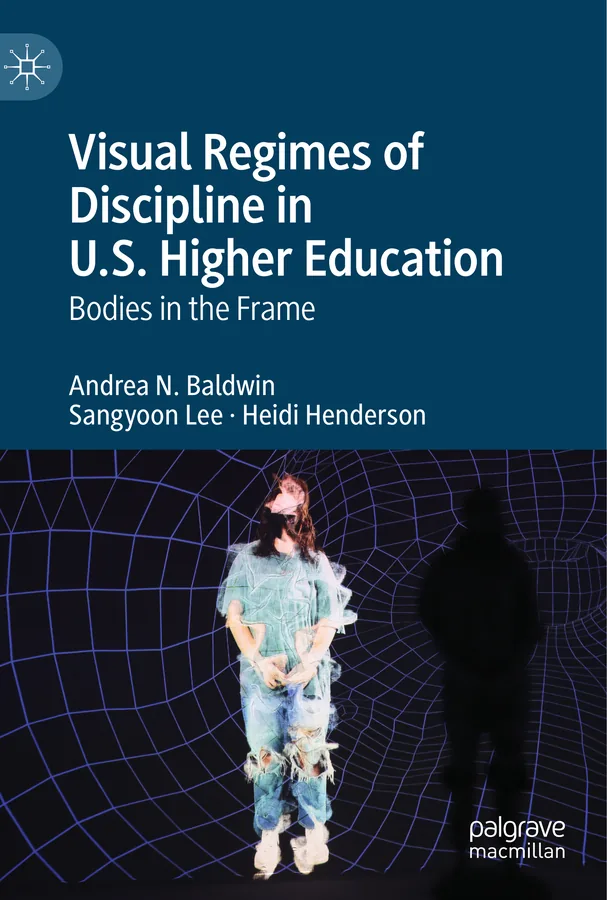
- Baldwin, A. N., Lee, S., & Henderson, H. (2026). Visual Regimes of Discipline in U.S. Higher Education: Bodies in the Frame. Palgrave Macmillan. https://doi.org/10.1007/978-3-032-11206-4 (opens in a new tab)
- Lee, S., Baldwin, A. N., & Henderson, H. (2023). The Reminiscence — The Monologues of Being Seen. ACM SIGGRAPH 2023 Art Gallery, Article 13, 1–2. https://doi.org/10.1145/3588428.3593829 (opens in a new tab)
- Baldwin, A. N., Henderson, H., & Lee, S. (2020). (Re)creating the posture portraits: Artistic and technological (re)productions of the gendered (re)presentations of bodies at institutions of higher education. Body Studies Journal, 2(1). https://bodystudiesjournal.org/postureportraits/ (opens in a new tab)
Endorsements
Blurring the lines between science and art, the Posture Project explores redefining and reclaiming identity, who gets to decide that, and the very real impacts of representation.
Visual Regimes of Discipline uncovers the hidden history of posture photography in elite U.S. colleges, where students—often unwittingly—were photographed nude under pseudoscientific pretexts rooted in eugenics, surveillance, and bodily regulation. Through archival research, feminist theory, and immersive artistic installations, Andrea N. Baldwin, Sangyoon Lee, and Heidi Henderson expose how institutions normalized visual control over race, gender, and ability—while inviting us to imagine alternative modes of seeing, remembering, and caring. This book is both a searing indictment of institutional violence and a visionary act of collective reimagining.
Posture Portraits reveals how posture photography served as a tool of biopolitical control under the guise of science. Through art and technology, the authors reimagine this archive as a site of refusal, care, and critical transformation.
§ 06
What’s next: toward a counter-archive of care
Utah phase team: Andrea N. Baldwin (lead), Sangyoon Lee, Heidi Henderson, and Natasha Warshawsky (PCA&D).
Baldwin, Lee, & Henderson (2026), Visual Regimes of Discipline in U.S. Higher Education, “Conclusion—Toward a Counter-Archive of Care,” p. 217.
The historical posture archives were built without consent, and most were later destroyed. Our next phase turns the same technologies toward belonging and repair: Monologues of Being Seen: Digital Portraiture and Storytelling for Visibility in Utah.
Proposed to begin in 2027 and led by Andrea N. Baldwin at the University of Utah, the Utah phase will work with Black, Pacific Islander, Indigenous, refugee, and rural Utahns, communities underrepresented in the state’s archives and public memory. It grew out of a community event with the Uintah Basin Equality Center, where participants asked for space to reflect on being seen, misrecognized, or unseen in Utah.
In six to eight workshops in libraries, schools, community centers, and rural sites, participants will write and record their own monologues of being seen and co-create self-portraits. They will be paid and credited as co-creators, not subjects. The work will travel as a multimedia exhibition and will live in an open-access archive at the University of Utah’s Marriott Library, with a public toolkit for participatory digital storytelling.
The archive will be governed by the people in it: tiered, plain-language consent; pseudonyms, embargoes, and withdrawal at any time; and a community advisory group that reviews captions and metadata before anything is published.